Differences in B2B Digital Technology Adoption Between China and the United States: An Analysis Based on Seminar PPT 'Digital Technology Services'
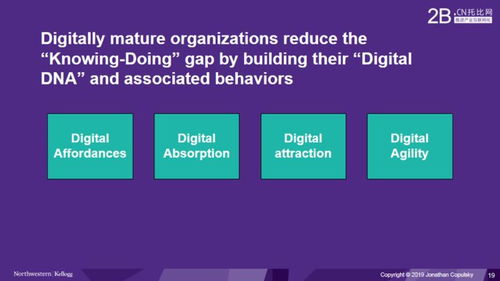
A recent seminar focusing on 'Digital Technology Services' presented a detailed analysis of the differences in B2B (Business-to-Business) digital technology adoption between China and the United States. The findings, derived from an English-language PPT presentation, highlight distinct approaches, drivers, and outcomes in both economies.
1. Market Environment and Policy Drivers:
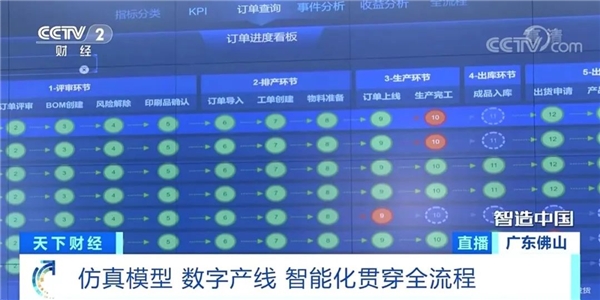
In the United States, B2B digital technology adoption is largely market-driven, with enterprises leveraging technologies like cloud computing, AI, and IoT to enhance efficiency and innovation. Government policies generally provide a supportive framework without heavy intervention. In contrast, China's adoption is strongly influenced by national strategies such as 'Made in China 2025' and 'Digital China,' with government incentives and regulatory guidance playing a significant role in accelerating digital transformation across industries.
2. Technological Focus and Integration:
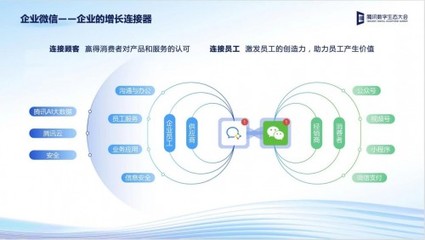
The U.S. emphasizes cutting-edge innovations, including advanced analytics, SaaS platforms, and automation tools, often developed by tech giants and startups. Integration tends to be deep but selective, targeting high-value processes. China, while also advancing in AI and big data, places greater emphasis on scalability and ecosystem integration, such as through platforms like Alibaba's B2B services or Tencent's enterprise solutions, which connect suppliers, manufacturers, and distributors seamlessly.
3. Adoption Pace and SME Involvement:
American B2B digital adoption is mature, with widespread use among large corporations and SMEs, driven by a competitive landscape and customer demand. In China, adoption is rapid but uneven; large state-owned and private enterprises lead the way, while many SMEs are still catching up, often relying on cost-effective, localized digital services to bridge gaps.
4. Cultural and Operational Differences:
The U.S. approach is often characterized by a focus on data security, transparency, and standardized protocols, reflecting a business culture that values individualism and contractual precision. China's approach is more relational, with digital platforms incorporating social elements (e.g., WeChat integration) and favoring agile, iterative implementations that adapt to local market dynamics.
5. Challenges and Future Trends:
Both countries face challenges: the U.S. deals with issues like legacy system integration and talent shortages, while China navigates regulatory complexities and data governance. Looking ahead, the seminar PPT suggests convergence in areas like AI and blockchain, but differences will persist due to unique economic structures and policy priorities.
In summary, while both China and the U.S. actively embrace B2B digital technologies, their paths differ significantly—shaped by policy, market forces, and cultural contexts. Understanding these variations is crucial for global businesses seeking to engage in either market or foster cross-border digital collaborations.
如若轉載,請注明出處:http://m.szweirui.cn/product/67.html
更新時間:2026-06-18 04:41:46